
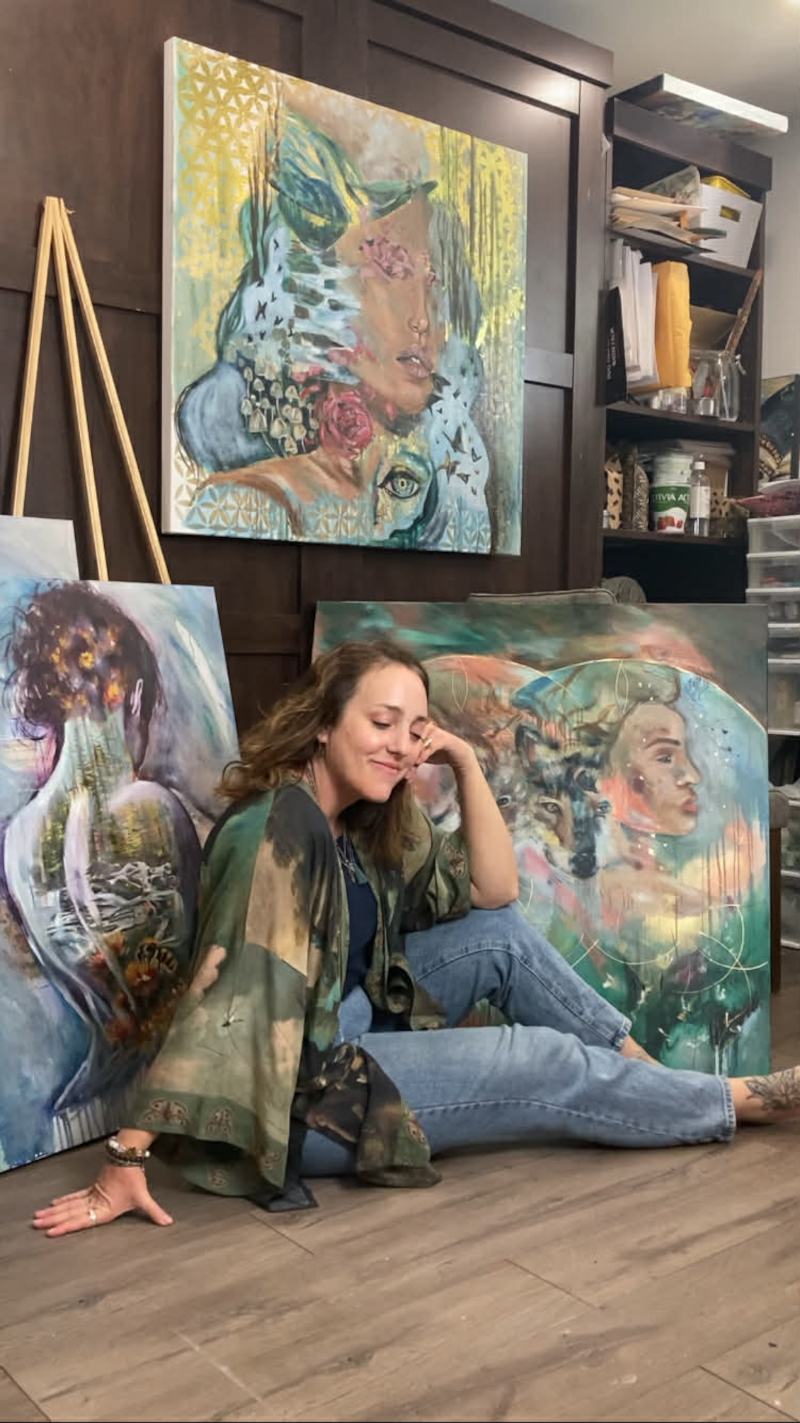
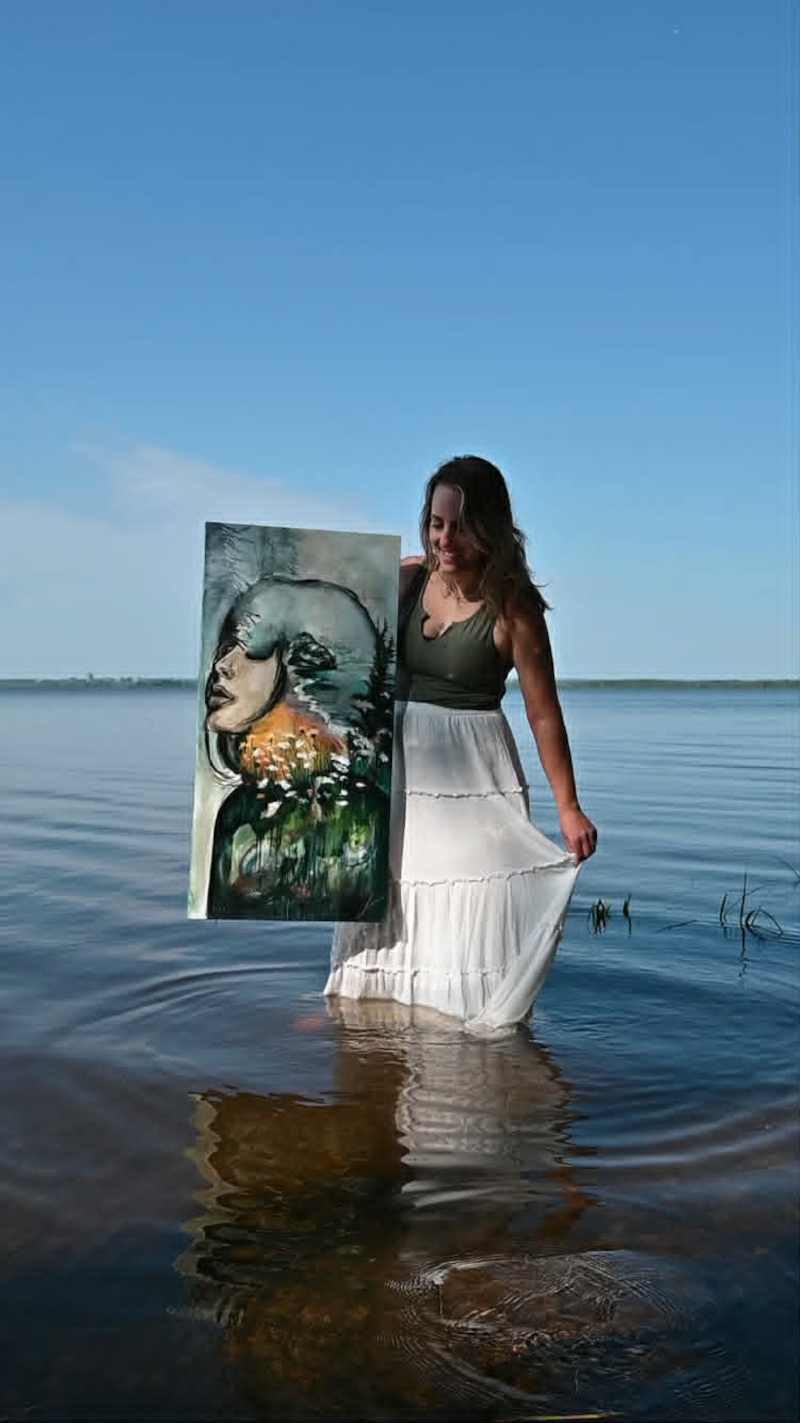
Jeanne Beaudry is an intuitive artist who practices yoga and painting. Her artistic journey is defined by sensitivity, the cycles of the Earth and the Moon, and physical movement. Jeanne explores femininity and nature in her work. Her collections are guided by the artist's intuitive connection to the world around her and aim to guide others on the same journey inwards. Jeanne issues a powerful statement: "Artistic expression is our birthright. I think we were all born artists; it's what it means to be human."
1. You are an intuitive and spiritual artist, connecting to people's souls through art. Please tell us about your journey of becoming an artist.
I was always an artist but only had the courage to call myself one 5 years ago. It all started with piano when I was 5 years old, and then oil paint at 13 years old. I always felt connected to something bigger, and I always had a deep sensitivity. I followed this passion and studied visual art, art history, and art conservation. I was a book and paper conservator for 9 years for the Library of Parliament. Giving birth to my kids was the most transformative experience of my life and allowed me to connect to my art in a deeper way. I decided to pursue this career full-time, and it has been the hardest but also the most rewarding journey for me, just like kids.
2. You are based in Quebec, Canada. Did you grow up in Quebec, and is your work centered on the local community?
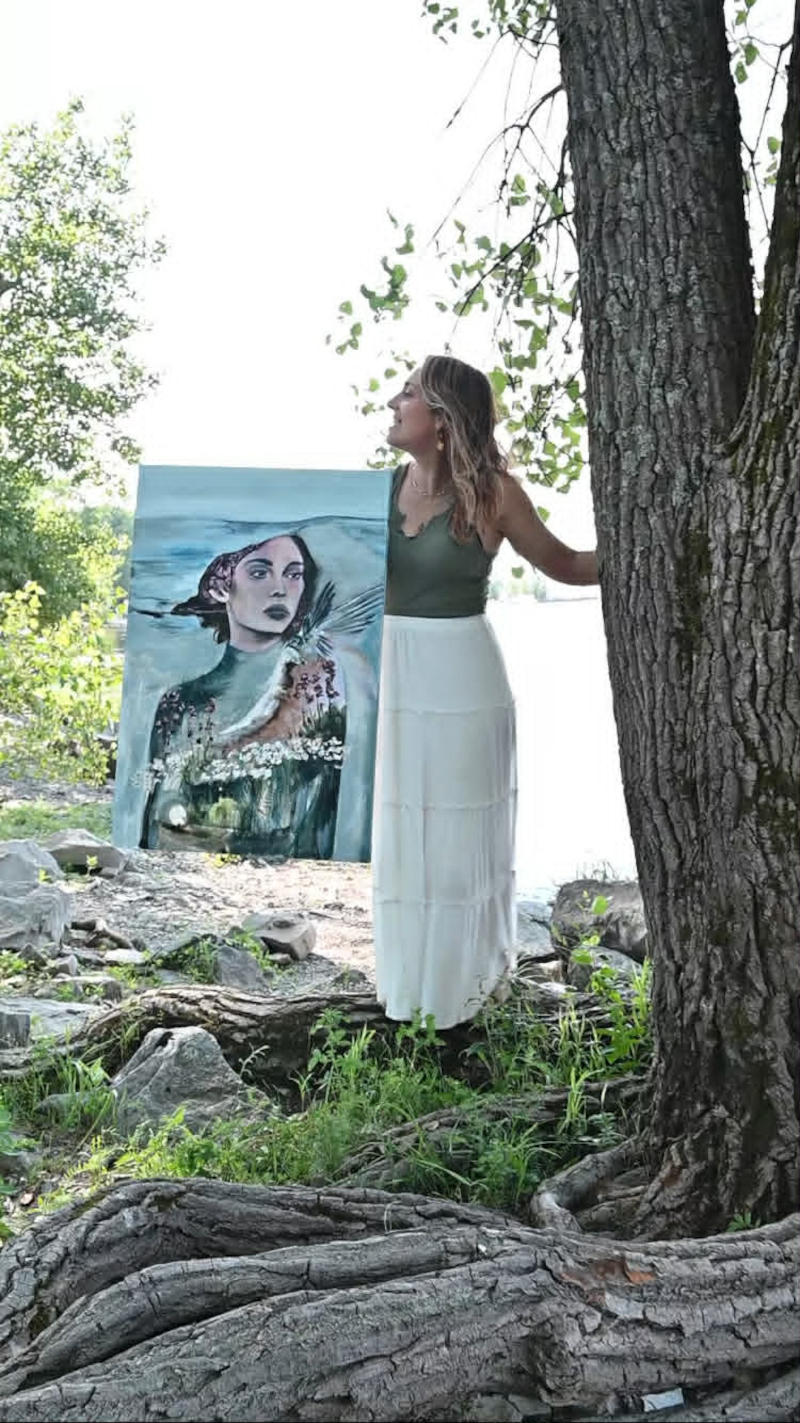
Yes, I am in Gatineau, QC, but I was born in Abitibi (north of Quebec) and grew up on the North Shore of Montreal. Moving to the Outaouais region helped me connect with nature, and this is where I took my yoga teacher training. I love this region because of the smaller community, especially in the yoga world, where most teachers know one another. I was able to use those connections to exhibit my art in yoga studios and small cafes at the beginning. I also offer art & yoga retreats, so I feel very connected to my local community.
3. Where do you find inspiration for your work, and which steps does each project encompass? Please share some details about a day in the life of Jeanne Beaudry with us.
I am deeply connected with the cycles of the earth, the moon, and my inner cyclical nature, so this is always an inspiration. I often get ideas during meditation, yoga, or even at the gym. Moving my body is intrinsic to connecting with my soul. Starting a new collection, for example, is a particular process where I go inwards and feel. It will often come up as a feeling, an energy. Sometimes the title also comes first. It's a feeling of knowing and trusting where this will lead me. I will then develop a visual journal with inspiration images, colors, textures — these will help me create each piece, but also ensure that they are connected to one another.
A perfect day in my life would be going for a walk in the Gatineau park or to a yoga class. Taking some time to meditate in my home studio before starting to paint. Maybe prepping some intention journal and art print for an event, and taking time in my garden and with my kids.
A perfect day in my life would be going for a walk in the Gatineau park or to a yoga class. Taking some time to meditate in my home studio before starting to paint. Maybe prepping some intention journal and art print for an event, and taking time in my garden and with my kids.
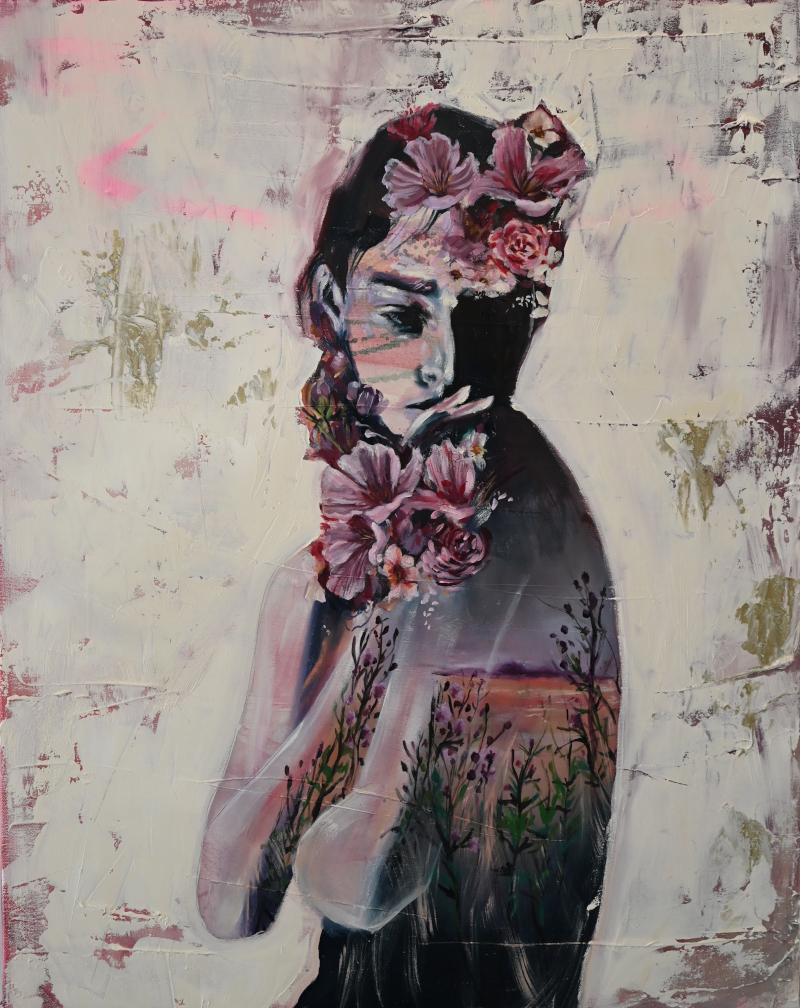
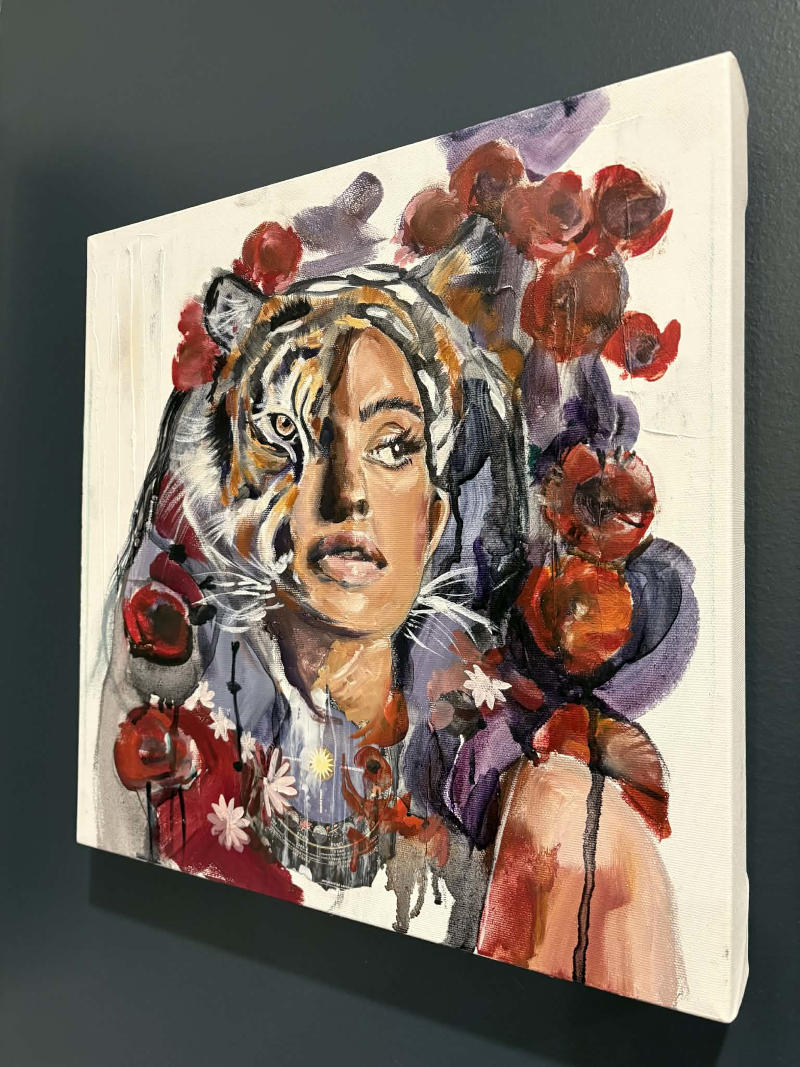
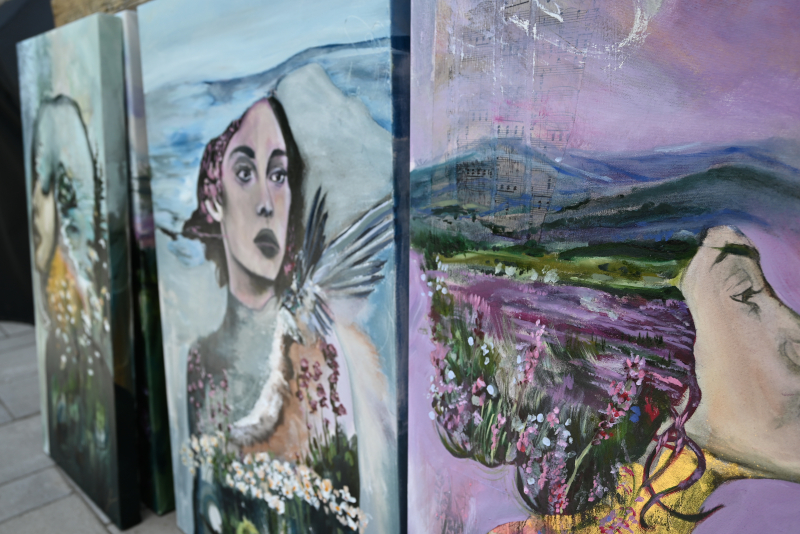
4. Your oil paintings fuse female characters with floral and natural elements. Other collections combine female energy and animals. How do you choose the imagery for your work? What language do you use to create such powerful female expression in your paintings?
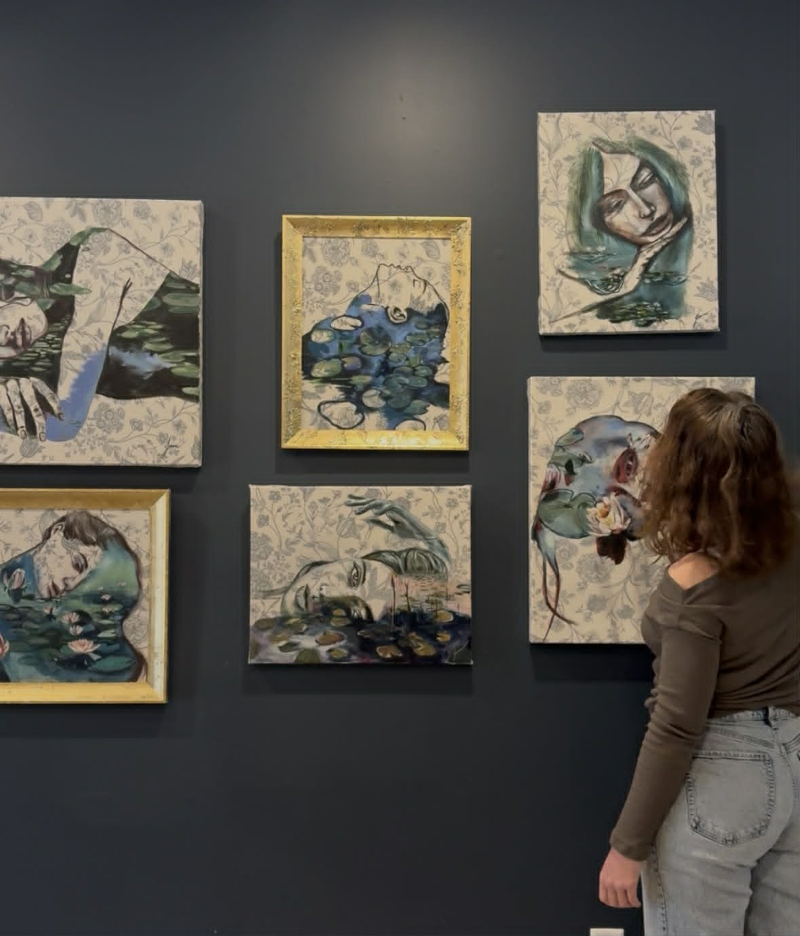
The feminine is always present because it represents the feminine energy within all things, the shakti. The connection with nature is also prevalent, but it also represents our connection with our inner nature. I love using nature — such as flowers, leaves, and animals — that evoke a feeling of freedom, of surrender, and love. I hope that these elements can help others connect to their intuition and feel more at peace.
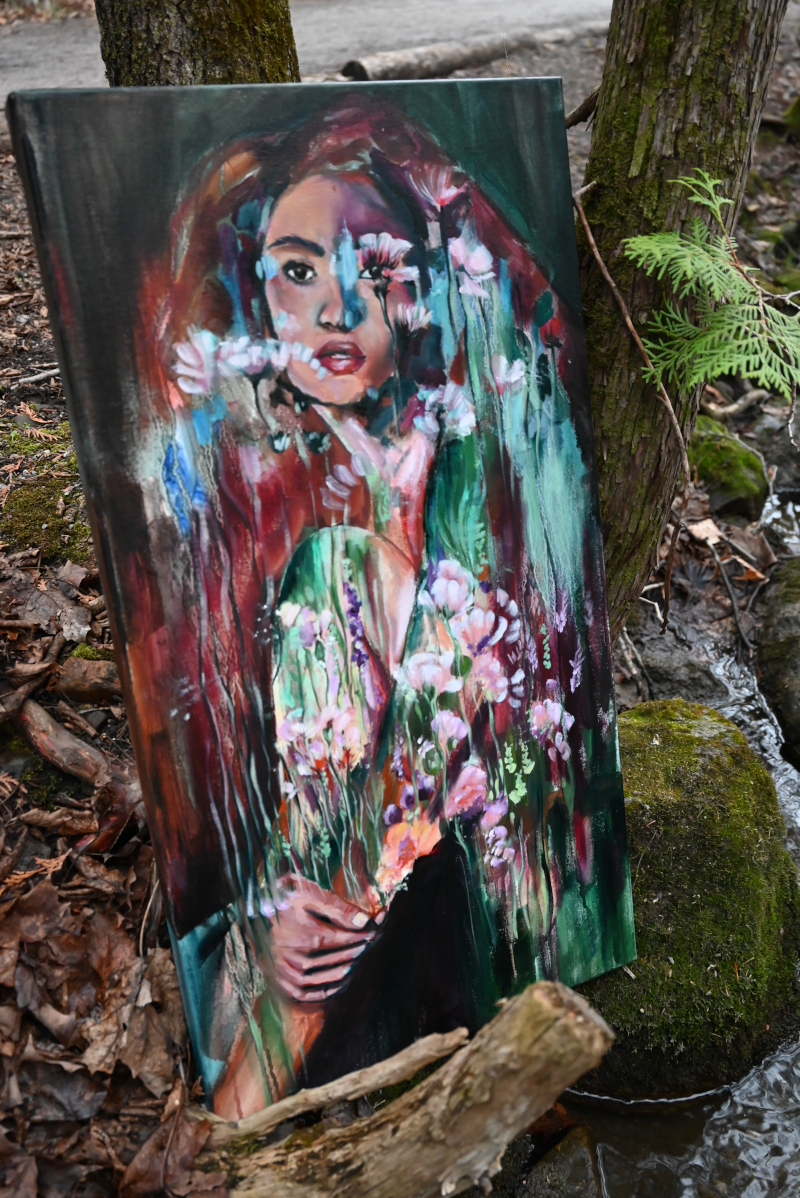
5. What do your Nectar of Life collection and your newest Heaven Within collection share? What is the essence of those collections?
Nectar of Life is a reminder to connect with the deliciousness of life, whether in moments of ritual or simply by doing something you love. Heaven Within is a similar energy that invites us to go inwards to this inner space of peace within all of us. I believe that heaven is a state of being that we have access to, that we can cultivate in this life. These collections are meant to empower, to awaken, and to remind us that we are souls living a human experience.
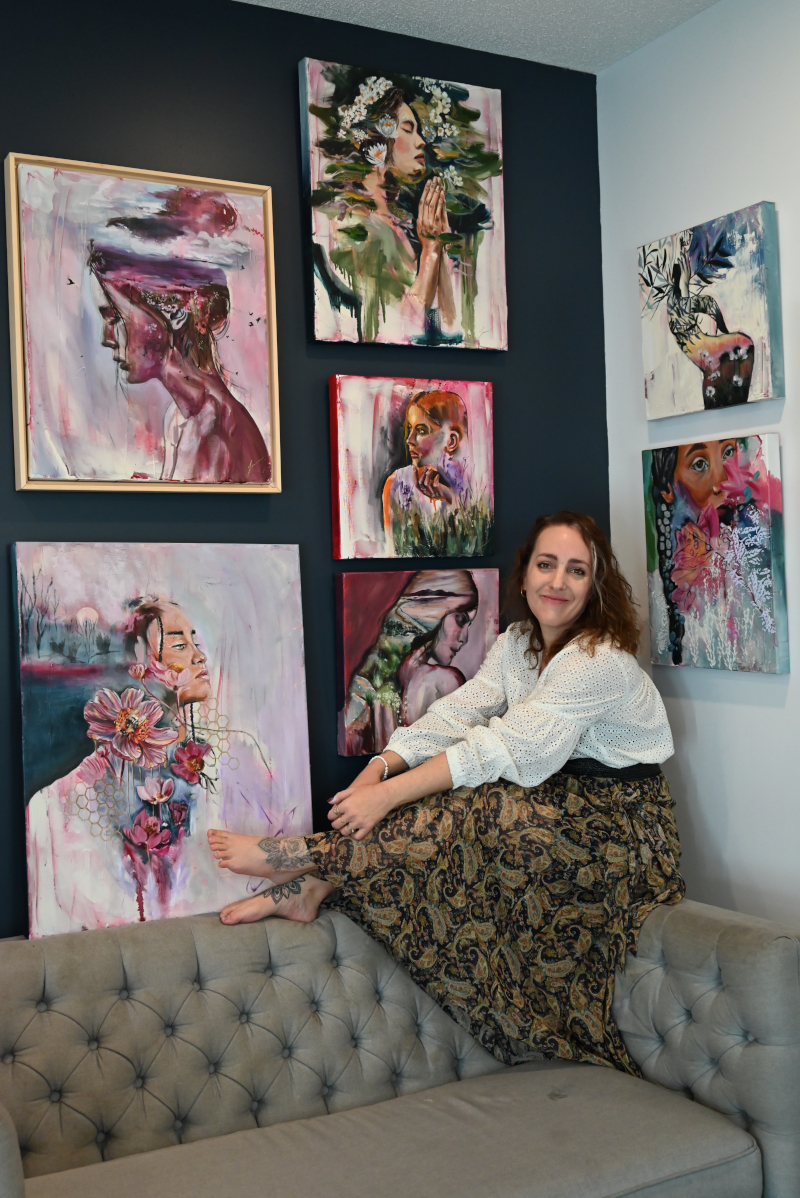
6. What do you enjoy about painting and being creative?
Ouf! Everything!! Being creative is probably my favorite thing about myself. I love noticing things that others don't. Being sensitive is a gift. It's seeing the world with open eyes and an open heart.
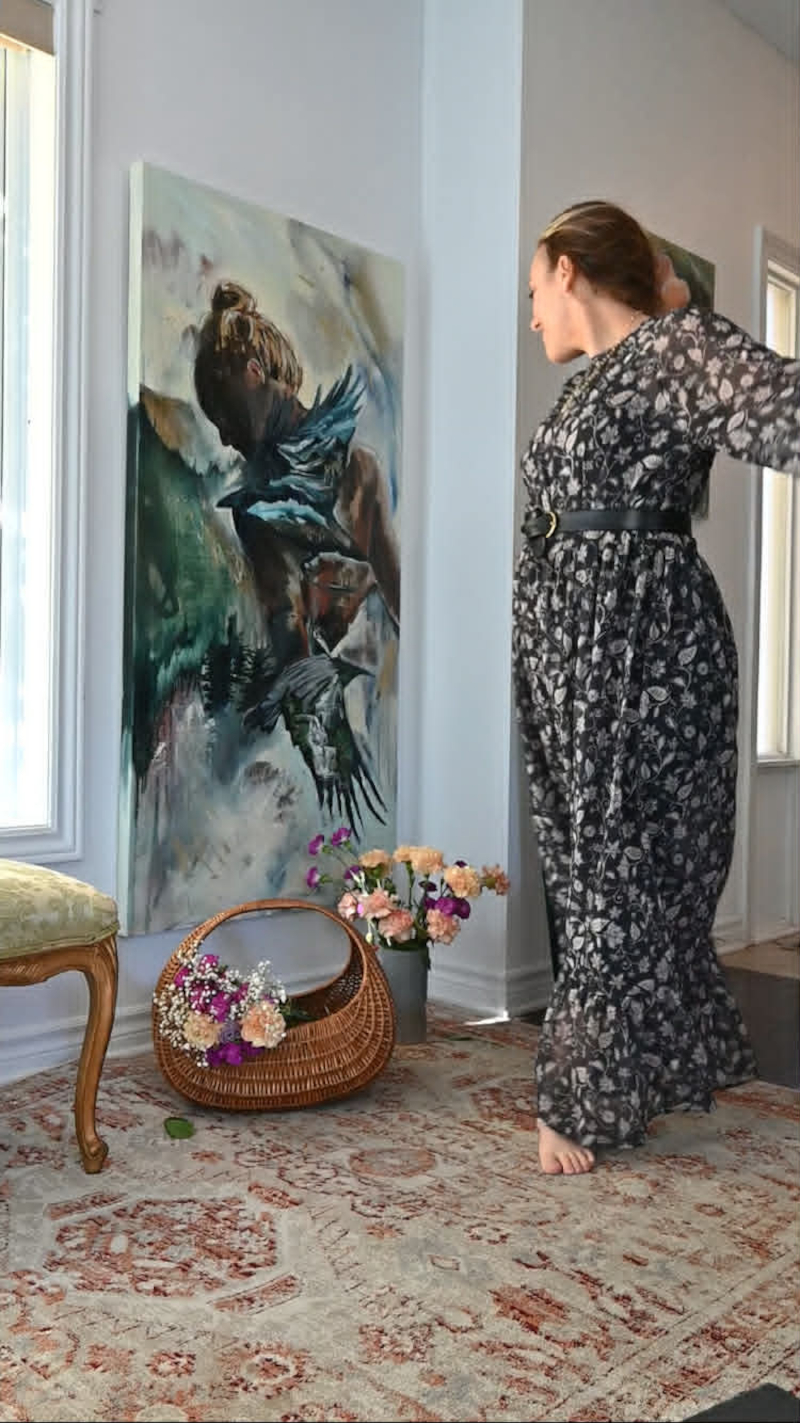
7. An aura of wisdom and higher truth defines your artistic body of work. How do the spirit and your inner compass guide you while creating?
Thank you — yes, my intuition or my inner compass is always guiding me. I have to trust very deeply. It's not always easy; I have moments of doubt and fear. But I believe that these challenges help us become a better version of ourselves. My intuition is my greatest tool.
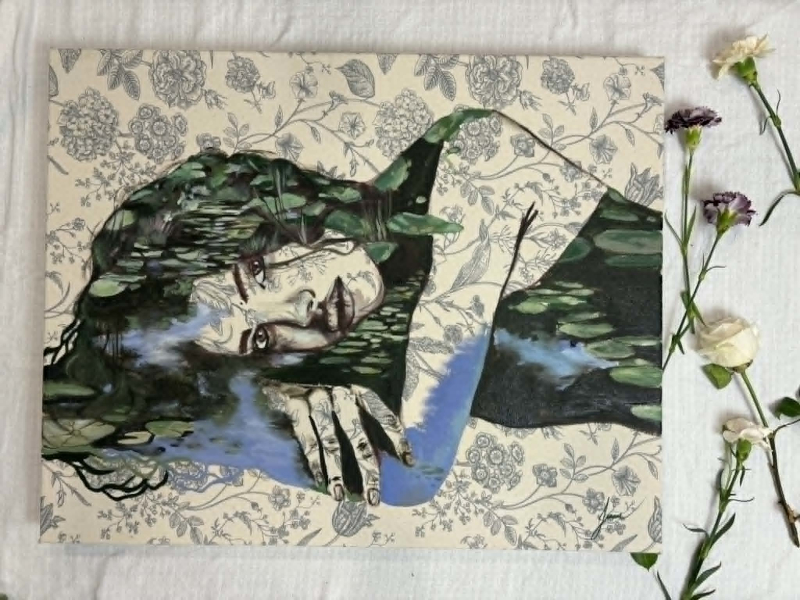
8. In your opinion, what are the benefits of artistic expression in daily life? What can we learn about ourselves and our connection to nature through art?
Artistic expression is our birthright. I think we were all born artists; it's what it means to be human. To notice, to experiment, to fail, to rise, to connect, to feel all the range of emotions. Allowing ourselves to explore with art helps us learn where we try to control too much, where we self-sabotage ourselves, and where we could infuse more love. I really think it's a wonderful metaphor for life and evolution.
9. What is the most meaningful project you've worked on in your career?
Every time I create a custom piece for a client with my process called SOULFLOW, it is such a special moment because I connect with their energy beforehand, and I often feel guided by something bigger than myself during creation.
I also had clients purchasing a piece of work to commemorate a daughter who had passed away, and the fact that they chose my piece is exceptional to me. I will always be grateful to be able to connect to people in such a deep and complex way.
I also recently participated in my first international art fair, and the feeling was amazing and very empowering.
I also had clients purchasing a piece of work to commemorate a daughter who had passed away, and the fact that they chose my piece is exceptional to me. I will always be grateful to be able to connect to people in such a deep and complex way.
I also recently participated in my first international art fair, and the feeling was amazing and very empowering.
10. Do you feel that you are where you are meant to be in your artistic journey? Is there something special you are working towards that you would like to share with our readers?
Like probably most artists, I am always visualizing my next piece, like my best one. I always feel like my evolution is just starting. But at the same time, I feel at peace in this season of my life where I have the freedom to care for my family, as well as balance my art career. But I am also looking forward to more international opportunities and maybe taking an art workshop in Europe.
Follow Jeanne on Instagram at @jeannebeaudryartetyoga and visit her website at jeannebeaudryartetyoga.com